Top 7 Gold One Dollar Coins Worth Collecting – Complete Spotting Guide
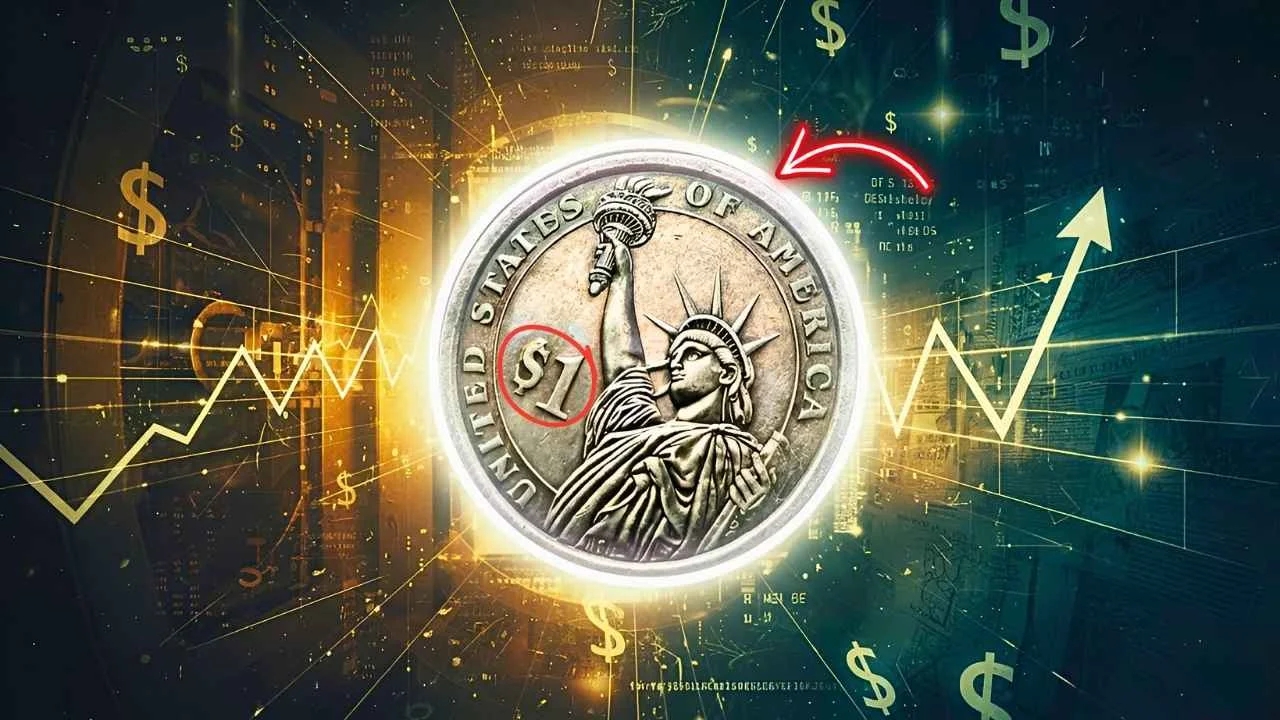
Gold one dollar coins hold a special place in American numismatic history. Small in size but rich in value and detail, these coins were minted primarily in the 19th century and are now considered prized collectibles. For many collectors in 2026, gold dollar coins offer a perfect combination of historical importance, rarity, and long-term investment potential. While they may look similar at first glance, each type carries unique features that set it apart. Understanding what to look for can make all the difference when identifying valuable pieces.
A Brief History of Gold One Dollar Coins
Gold dollar coins were first introduced in 1849 during the California Gold Rush. The sudden increase in gold supply made it possible for the United States Mint to produce small denomination gold coins. These coins were minted until 1889 and went through several design changes during that period.
Despite their beauty and historical value, gold dollars were not widely used in everyday transactions due to their small size. As a result, many were lost or melted down over time, which has increased their rarity today.
What Makes Gold Dollar Coins Valuable
Several factors influence the value of gold dollar coins. Rarity is one of the most important. Coins with low mintage numbers or limited survival rates tend to be more valuable. Condition also plays a major role, as well-preserved coins with sharp details are highly sought after.
Mint marks, which indicate where a coin was produced, can further affect value. Coins from certain mints may be rarer than others. Historical significance and collector demand also contribute to rising prices, especially for coins with unique stories or designs.
1849 Type 1 Liberty Head Gold Dollar
The 1849 Liberty Head gold dollar marks the beginning of this coin series. As the first year of issue, it holds strong historical importance. While many examples exist, high-quality specimens are much harder to find.
Collectors are drawn to this coin because it represents the start of gold dollar coinage in the United States. Its design features Lady Liberty wearing a coronet, and its relatively small size makes it both charming and challenging to preserve in excellent condition.
1854 Type 2 Indian Princess Gold Dollar
The Type 2 design introduced in 1854 brought a significant change. The coin became thinner and wider, and the design shifted to the Indian Princess portrait. While visually appealing, this design had production challenges, leading to weak strikes and fewer well-preserved examples.
Because of these issues, high-grade Type 2 coins are considered quite valuable. Collectors often seek them out for their unique appearance and relative scarcity compared to other types.
1856 Type 3 Indian Princess Gold Dollar
The Type 3 design, introduced in 1856, refined the previous version. The portrait was adjusted, and the coin was made thicker to improve durability. This design continued until the end of gold dollar production in 1889.
The 1856 Type 3 coin is especially popular because it represents the transition to a more practical and long-lasting design. Well-preserved examples are highly desirable and can command strong prices.
1861 Gold Dollar from the Civil War Era
Coins minted during the Civil War carry a special historical significance. The 1861 gold dollar is one such example. Produced during a time of national conflict, it reflects a period when gold coins were being hoarded rather than circulated.
Because of this, many surviving coins show minimal wear, but their historical context adds to their appeal. Collectors value these coins not just for their rarity but for the story they tell.
1875 Gold Dollar with Low Mintage
The 1875 gold dollar is notable for its low production numbers. Fewer coins were minted during this period, making it more difficult to find today. As a result, it has become a key date for collectors.
Coins from this year in good condition can be particularly valuable, as demand continues to grow among those looking to complete a full set of gold dollars.
1889 Final Year Gold Dollar
The 1889 gold dollar marks the end of this coin series. As the final year of production, it holds a special place in collections. Many collectors aim to include this coin as a way of completing the historical timeline of gold dollar coinage.
While not the rarest in terms of mintage, its significance as the last issue adds to its desirability.
1870-S Gold Dollar
One of the rarest and most mysterious coins in the series is the 1870-S gold dollar. Very few examples are known to exist, making it a true treasure for advanced collectors. Its rarity has made it one of the most valuable gold dollar coins ever produced.
Finding one of these coins is extremely unlikely, but its existence highlights the incredible diversity within the gold dollar series.
How to Spot Genuine Gold Dollar Coins
Identifying authentic gold dollar coins requires attention to detail. Start by examining the design elements, including the portrait and lettering. Genuine coins will have sharp, well-defined features.
Weight and size are also important. Gold dollar coins are small and lightweight, but they should match known specifications. Any significant deviation could indicate a counterfeit.
Using a magnifying glass can help reveal fine details, such as mint marks and surface quality. For high-value coins, professional authentication is highly recommended to ensure accuracy.
Tips for New Collectors
If you’re interested in collecting gold dollar coins, begin by learning about the different types and their characteristics. Start with more common coins before moving on to rarer and more expensive pieces.
Proper storage is essential. Keeping coins in protective holders will help maintain their condition and value. It’s also wise to stay informed about market trends and recent sales, as this can guide your collecting decisions.
Building a collection takes time and patience, but the process can be both enjoyable and rewarding.
Conclusion
Gold one dollar coins offer a fascinating glimpse into American history, combining artistry, rarity, and value in a small but meaningful form. From the first 1849 Liberty Head to the rare 1870-S issue, each coin tells a story that continues to captivate collectors. By understanding what to look for and how to identify key features, you can take the first steps toward building a collection that is both historically rich and potentially valuable.
You Might Also Like
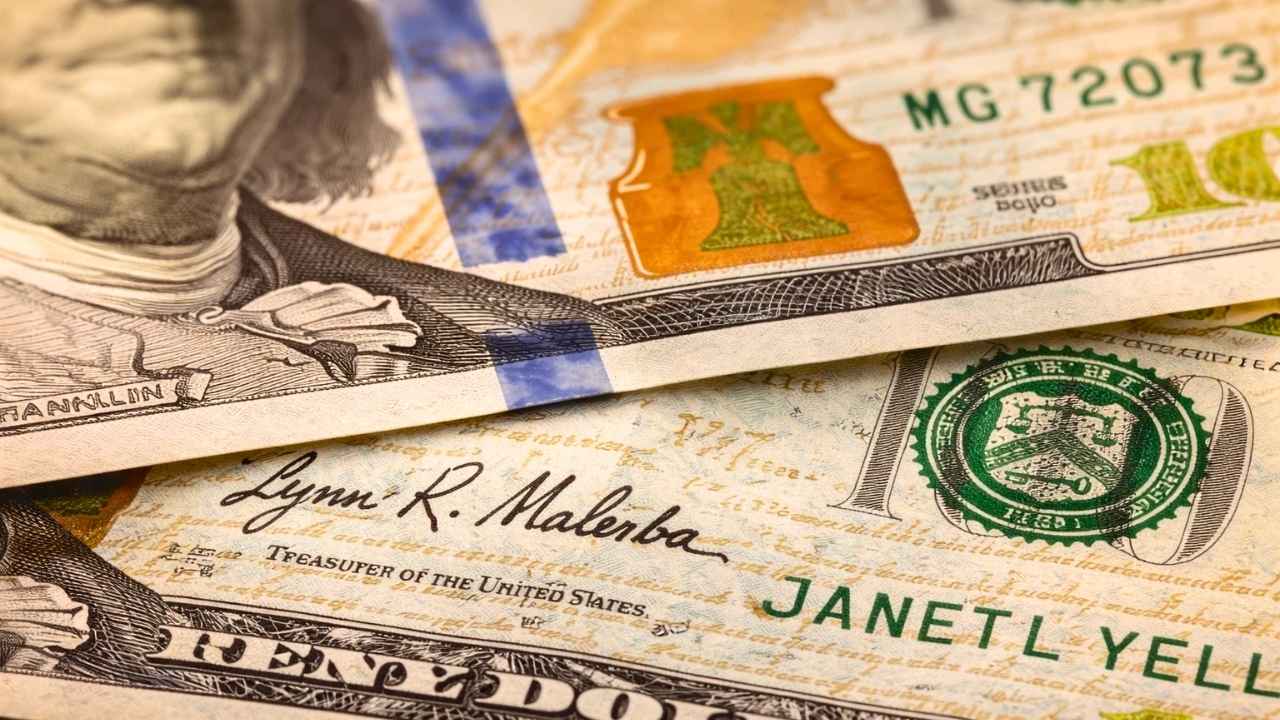
U.S. Currency 2026 Adds Trump Signature in Landmark Release
The year 2026 marks the Semiquincentennial, the 250th anniversary of American independence, and the ...
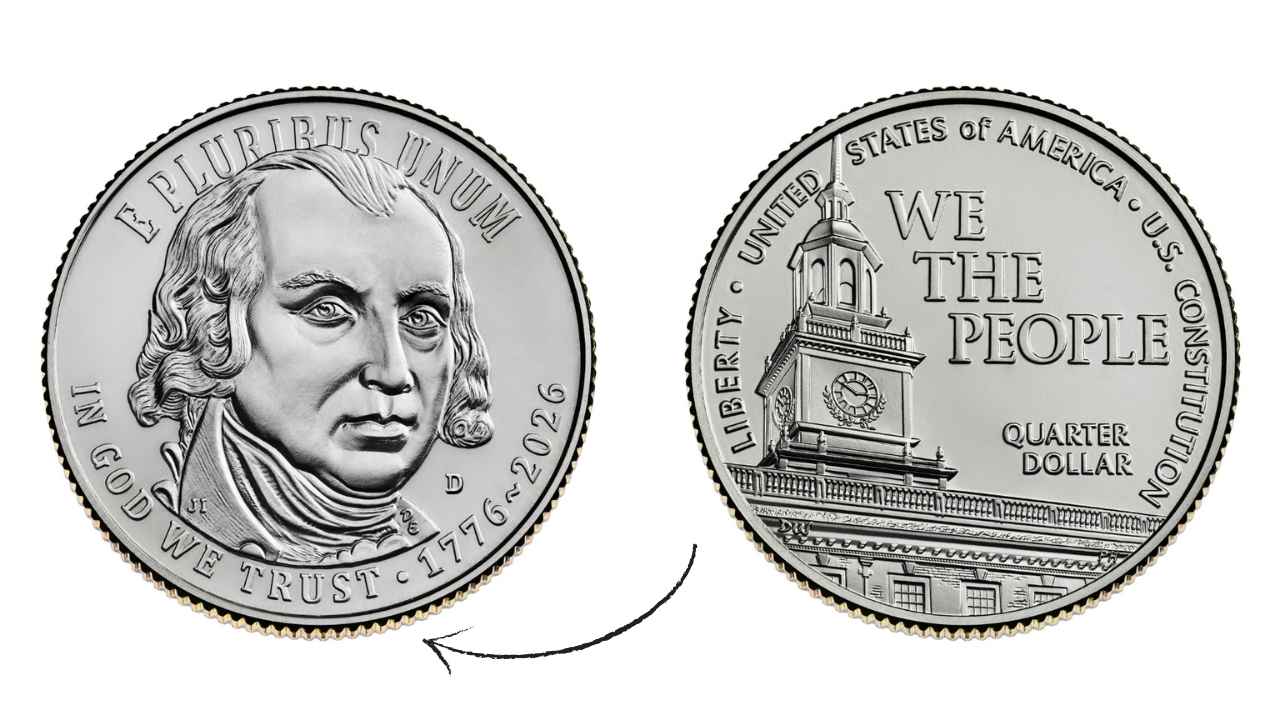
U.S. Mint 2026 Dime Launches Without Roosevelt Design
The United States Mint has surprised collectors with the release of the 2026 dime, a coin that break...
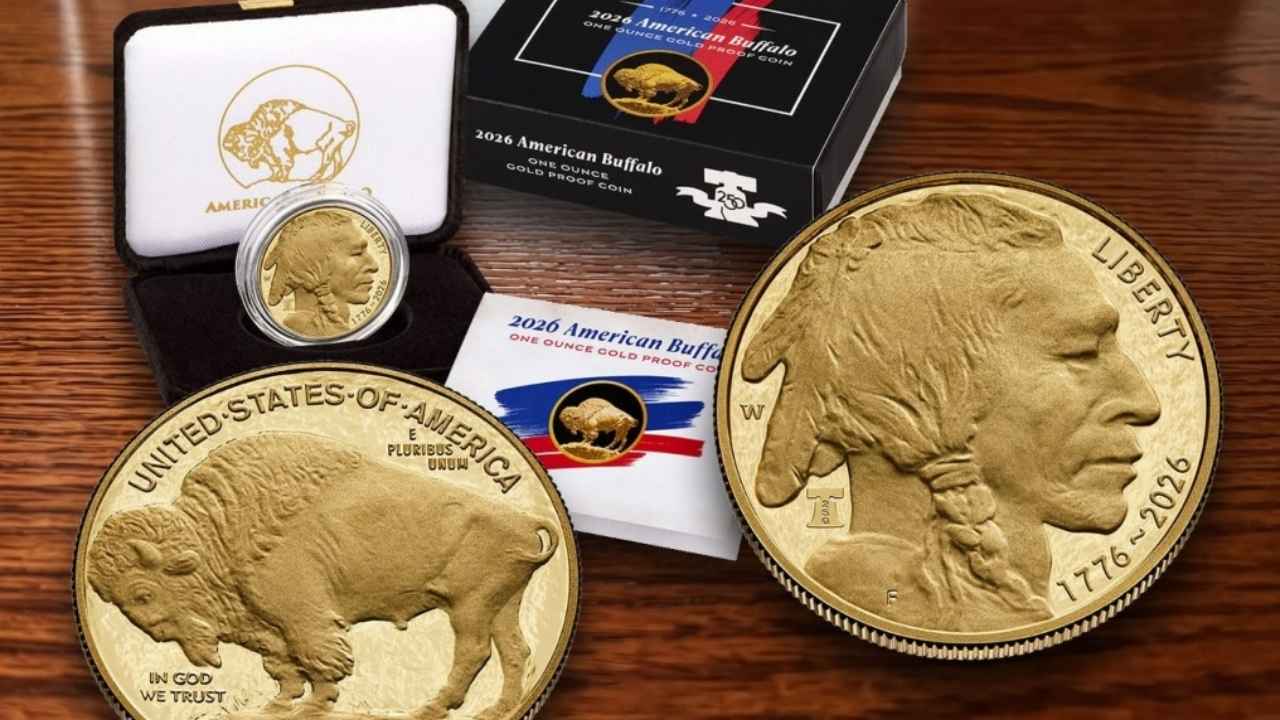
U.S. Mint Proof Buffalo Honors 250 Privy in 1776-2026 Release
The United States Mint has unveiled a historic coin to mark the nation’s 250th anniversary. The 2026...